

Introduction
Walk into any skincare aisle in 2026, and you’ll see one word everywhere: clean.
But here’s the real question—does clean beauty actually work, or is it just another trend wrapped in pretty packaging?
More people across the U.S. are paying attention to what goes on their skin. Harsh ingredients like sulfates and artificial fragrances are slowly being pushed aside. In their place, gentler, plant-based formulas are taking over.
Still, not every “clean” cleanser delivers real results. Some leave your skin dry. Others don’t clean properly at all.
So how do you find one that truly works? That’s exactly what we’re breaking down here—what clean beauty really means, why it matters, and which types of cleansers are worth your time.
What Does “Clean Beauty” Actually Mean in 2026?
Is “Clean” Regulated or Just a Buzzword?
Let’s clear this up first—there’s no official definition of “clean beauty.”
That means brands can use the label loosely. One brand’s “clean” might still include ingredients another brand avoids. This is why reading labels matters more than trusting marketing.
Ingredients Consumers Are Avoiding in 2026
People are becoming smarter about ingredients. A few that are commonly avoided now include:
-
Sulfates (SLS/SLES): Can strip natural oils
-
Parabens: Linked to long-term safety concerns
-
Synthetic fragrances: A big trigger for sensitive skin
-
PEGs and silicones: Still debated but often avoided
Instead, shoppers are leaning toward simpler, more transparent formulas.
What Makes a Clean Cleanser Effective?
A cleanser isn’t “good” just because it’s natural. It needs to actually work.
Here’s what matters:
-
pH-balanced formulas that don’t disrupt your skin
-
Gentle cleansing agents like coco-glucoside
-
Hydrating ingredients that support the skin barrier
Think of it like washing delicate fabric—you want it clean, but not damaged.
Why More Americans Are Switching to Clean Facial Cleansers
Rise of Skin Sensitivity and Barrier Damage
Over the past few years, people went all-in on exfoliation—acids, scrubs, peels.
The result? Damaged skin barriers. Redness, dryness, irritation.
Now, the focus has shifted to repairing and protecting the skin instead of over-treating it.
The Minimalist Skincare Movement
“Skinimalism” is more than a trend—it’s a lifestyle shift.
Instead of 10-step routines, people want:
-
Fewer products
-
Better ingredients
-
Real results
A good cleanser has become the foundation of that routine.
Awareness of Long-Term Ingredient Safety
Let’s be honest—people are reading labels now.
Quick question: when was the last time you checked the back of your face wash?
Consumers today want transparency. They want to know what they’re putting on their skin every single day.
6 Clean Beauty Facial Cleansers That Actually Work in 2026
1. Gel-Based Cleanser with Botanical Extracts
If your skin leans oily or acne-prone, gel cleansers are a solid choice.
They feel light, refreshing, and help remove excess oil without clogging pores. Look for ingredients like:
-
Green tea
-
Aloe vera
-
Tea tree
These help calm inflammation while keeping your skin clean.
2. Cream Cleanser for Dry and Sensitive Skin
Dry skin needs something gentle—something that cleans without that tight, uncomfortable feeling afterward.
A well-formulated cream cleanser does exactly that. It hydrates while it cleans.
If you’re searching for a reliable cleanser for dry skin, choosing a formula with soothing, nourishing ingredients can make a noticeable difference in how your skin feels daily.
Look for:
-
Oat extract
-
Ceramides
-
Plant-based oils
These help lock in moisture and support your skin barrier.
3. Oil Cleanser for Makeup Removal
Here’s a concept that surprises people—oil removes oil.
Oil cleansers break down makeup, sunscreen, and excess sebum without harsh scrubbing.
Ingredients like:
-
Jojoba oil
-
Sunflower oil
…leave your skin soft, not greasy.
Clean Beauty Facial Cleansers That Actually Work in 2026 (No Harsh Chemicals)
Walk into any skincare aisle in 2026, and you’ll see one word everywhere: clean.
But here’s the real question—does clean beauty actually work, or is it just another trend wrapped in pretty packaging?
More people across the U.S. are paying attention to what goes on their skin. Harsh ingredients like sulfates and artificial fragrances are slowly being pushed aside. In their place, gentler, plant-based formulas are taking over.
Still, not every “clean” cleanser delivers real results. Some leave your skin dry. Others don’t clean properly at all.
So how do you find one that truly works? That’s exactly what we’re breaking down here—what clean beauty really means, why it matters, and which types of cleansers are worth your time.
What Does “Clean Beauty” Actually Mean in 2026?
Is “Clean” Regulated or Just a Buzzword?
Let’s clear this up first—there’s no official definition of “clean beauty.”
That means brands can use the label loosely. One brand’s “clean” might still include ingredients another brand avoids. This is why reading labels matters more than trusting marketing.
Ingredients Consumers Are Avoiding in 2026
People are becoming smarter about ingredients. A few that are commonly avoided now include:
-
Sulfates (SLS/SLES): Can strip natural oils
-
Parabens: Linked to long-term safety concerns
-
Synthetic fragrances: A big trigger for sensitive skin
-
PEGs and silicones: Still debated but often avoided
Instead, shoppers are leaning toward simpler, more transparent formulas.
What Makes a Clean Cleanser Effective?
A cleanser isn’t “good” just because it’s natural. It needs to actually work.
Here’s what matters:
-
pH-balanced formulas that don’t disrupt your skin
-
Gentle cleansing agents like coco-glucoside
-
Hydrating ingredients that support the skin barrier
Think of it like washing delicate fabric—you want it clean, but not damaged.
Why More Americans Are Switching to Clean Facial Cleansers
Rise of Skin Sensitivity and Barrier Damage
Over the past few years, people went all-in on exfoliation—acids, scrubs, peels.
The result? Damaged skin barriers. Redness, dryness, irritation.
Now, the focus has shifted to repairing and protecting the skin instead of over-treating it.
The Minimalist Skincare Movement
“Skinimalism” is more than a trend—it’s a lifestyle shift.
Instead of 10-step routines, people want:
-
Fewer products
-
Better ingredients
-
Real results
A good cleanser has become the foundation of that routine.
Awareness of Long-Term Ingredient Safety
Let’s be honest—people are reading labels now.
Quick question: when was the last time you checked the back of your face wash?
Consumers today want transparency. They want to know what they’re putting on their skin every single day.
6 Clean Beauty Facial Cleansers That Actually Work in 2026
1. Gel-Based Cleanser with Botanical Extracts
If your skin leans oily or acne-prone, gel cleansers are a solid choice.
They feel light, refreshing, and help remove excess oil without clogging pores. Look for ingredients like:
-
Green tea
-
Aloe vera
-
Tea tree
These help calm inflammation while keeping your skin clean.
2. Cream Cleanser for Dry and Sensitive Skin
Dry skin needs something gentle—something that cleans without that tight, uncomfortable feeling afterward.
A well-formulated cream cleanser does exactly that. It hydrates while it cleans.
If you’re searching for a reliable cleanser for dry skin, choosing a formula with soothing, nourishing ingredients can make a noticeable difference in how your skin feels daily.
Look for:
-
Oat extract
-
Ceramides
-
Plant-based oils
These help lock in moisture and support your skin barrier.
3. Oil Cleanser for Makeup Removal
Here’s a concept that surprises people—oil removes oil.
Oil cleansers break down makeup, sunscreen, and excess sebum without harsh scrubbing.
Ingredients like:
-
Jojoba oil
-
Sunflower oil
Leave your skin soft, not greasy.
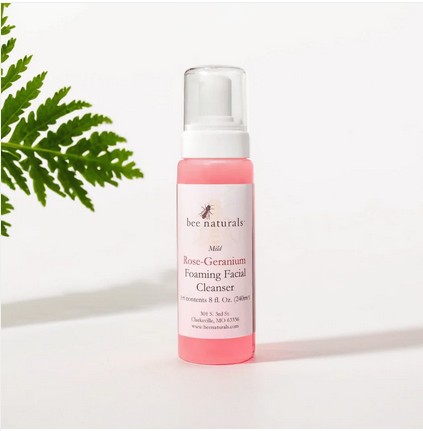
4. Foam Cleanser Without Sulfates
Foaming cleansers often get a bad reputation—and honestly, it’s deserved in some cases. Traditional formulas can be too harsh.
But in 2026, things have changed. New-age foam cleansers use gentle, plant-derived surfactants that cleanse without stripping your skin.
Look for ingredients like:
-
Coco-glucoside
-
Decyl glucoside
These create that satisfying foam while still being kind to your skin barrier.
If you love that “freshly washed” feeling but hate dryness, this is your middle ground.
5. Clay-Based Cleanser for Deep Detox
Ever feel like your skin needs a reset? That’s where clay cleansers shine.
They work by pulling out impurities, excess oil, and buildup from your pores. But here’s the key—modern clean formulas don’t over-dry your skin.
Ingredients to look for:
-
Kaolin clay (gentler than bentonite)
-
Activated charcoal
These help detox your skin without leaving it tight or flaky. Perfect for those days when your skin feels congested or dull.
6. Microbiome-Friendly Cleanser
This is one of the biggest skincare shifts in 2026.
Your skin has its own ecosystem—good bacteria that protect it. Harsh cleansers can wipe that out.
Microbiome-friendly cleansers are designed to support that natural balance instead of disrupting it.
They often include:
-
Prebiotics
-
Fermented ingredients
-
Mild, non-stripping bases
Think of it like tending a garden—you don’t want to destroy the soil, just remove the weeds.
How to Choose the Right Clean Cleanser for Your Skin Type
Choosing the right cleanser isn’t complicated—but it does require knowing your skin.
For Oily Skin
Go for lightweight gel or foam cleansers. These help control excess oil without clogging pores.
For Dry Skin
Hydration is everything here. Stick with cream-based cleansers packed with nourishing ingredients.
If your skin often feels tight after washing, that’s a sign your cleanser is too harsh.
For Sensitive Skin
Keep it simple.
-
Fragrance-free formulas
-
Minimal ingredients
-
Soothing elements like aloe or oat
Less is more when your skin reacts easily.
For Combination Skin
This one’s tricky. You need balance.
A gentle gel or light cream cleanser usually works best—something that hydrates dry areas without making oily zones worse.
Are Natural Ingredients Always Better for Your Skin?
Let’s talk honestly for a second—natural doesn’t always mean better.
The Myth of “100% Natural = Safe”
Poison ivy is natural too, right? That doesn’t mean you want it on your face.
Some natural ingredients can irritate the skin, especially if they’re not formulated properly.
Importance of Formulation Over Marketing
What really matters is how ingredients work together.
A well-balanced formula that blends science and nature will always outperform something that’s just “natural” for the sake of it.
So instead of chasing labels, focus on how your skin actually responds.
Common Mistakes People Make When Using Clean Cleansers
Even the best cleanser won’t help if you’re using it the wrong way.
Overwashing the Face
Washing your face too often can strip away natural oils.
Twice a day is usually enough. More than that? You might be doing more harm than good.
Expecting Instant Results
Clean skincare works gently—and that means results take time.
Don’t give up after a few days. Give your skin a couple of weeks to adjust.
Ignoring Ingredient Labels
Just because something says “clean” doesn’t mean it truly is.
Watch out for greenwashing. Always take a quick look at the ingredient list before buying.
Conclusion
Clean beauty isn’t just a passing trend—it’s a smarter way to care for your skin when done right.
The goal isn’t to use the most products or follow every trend. It’s to find what actually works for your skin and stick with it.
A good facial cleanser lays the foundation for everything else in your routine. Choose one that’s gentle, effective, and aligned with your skin’s needs.